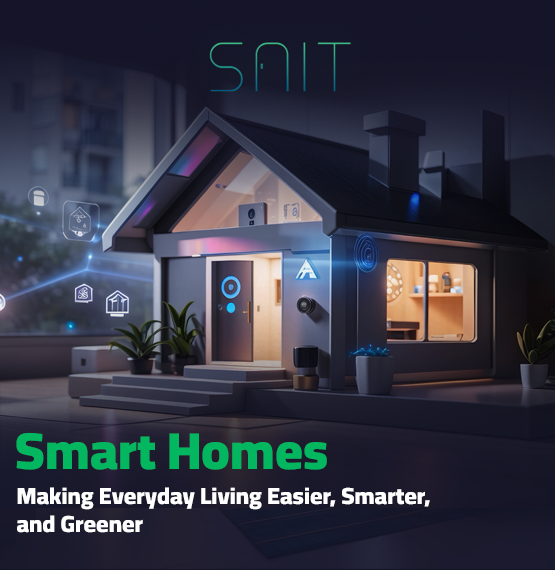



Smart home technology is transforming the way we live faster than ever. Smart solutions are no longer luxury additions—they’ve become essential parts of everyday life. Today, more people want a connected home that offers greater safety, easier control, and better energy efficiency. With the power of AI, 5G, and advanced security systems, the future of smart living is more exciting than ever.. More people today want a smart home that is safer, easier to manage, and more energy-efficient. With the help of AI, 5G, and better security, the future of smart living looks very exciting.
In this article, we will explore the main trends shaping smart homes in 2025 and beyond. From AI-powered assistants to energy-saving systems, these innovations will transform how we live every day.
How Smart Home Technology is Evolving
A few years ago, smart devices like smart lights or smart speakers were considered optional gadgets. Now, they are becoming essential. The global smart home market is expected to reach more than $135 billion by 2025. This growth comes from better connectivity, stronger AI, and the rise of eco-friendly living.
So, what’s next for smart homes? Let’s look at the key trends.
1. AI-Powered Smart Assistants and
A modern smart home makes every device more intuitive and responsive. Assistants like Alexa, Google Assistant, and Apple’s HomeKit are getting smarter, understanding users better, and delivering seamless control over daily tasks. Combined with a professional security system, your home becomes safer, more efficient, and fully connected to your lifestyle.
AI assistants can learn your habits. For example, they can switch on the lights when you usually wake up or lower the temperature when you leave the house.
- Natural language processing means you can speak more naturally, and the assistant understands you.
- AI even helps with predictive maintenance, warning you if an appliance might break soon.
2. Smarter Security with AI
Security is one of the most important parts of any smart home. Thanks to AI, modern devices provide better protection than ever.
- Cameras with AI detect unusual activity and send alerts right away.
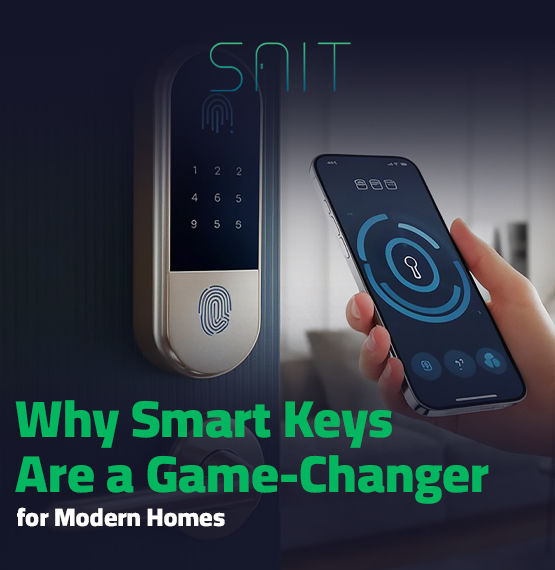
- Biometric locks remove the need for keys.
- Cloud-based systems let you check your home from anywhere.
Example: video doorbells now use AI to tell the difference between people, animals, and cars, reducing false alarms.
Key Benefits: More accurate alerts, safer access control, and peace of mind with real-time monitoring.
3. 5G for Faster Smart Homes
With 5G, smart homes will reach an entirely new level. Faster internet speeds and low latency make communication between devices smoother than ever. From advanced security to a fully connected smart kitchen, every part of the home becomes more efficient, responsive, and convenient.
- Voice commands respond almost instantly.
- High-bandwidth tasks like 4K streaming and AR/VR experiences run smoothly.
- Remote smart control of appliances becomes much more reliable.
4. Sustainable Smart Homes
Eco-friendly living is becoming a major goal. Many smart technology solutions now focus on saving energy and reducing waste.
- Smart thermostats adjust heating and cooling to save power.
- Solar-powered home systems give independence from traditional electricity.
- Smart irrigation saves water by checking soil and weather conditions.
5. Smart Kitchens with AI Appliances
The kitchen is now a hub of smart technology solutions. AI makes cooking easier, faster, and less wasteful.
- Ovens recognize food and cook it perfectly.
- Smart refrigerators track expiration dates and even suggest recipes.
- Voice-controlled coffee machines prepare your drink the way you like it.
6. Health and Wellness in Smart Homes
Smart homes are no longer just about comfort and energy savings—they are also transforming the way people maintain their health and well-being.
AI-powered air purifiers automatically remove pollutants, while smart air freshener systems keep indoor air clean and pleasant. Smart mattresses adjust temperature to improve sleep quality, and fitness mirrors deliver personalized workout guidance right at home.
3. Transform Your Space with Advanced GRMS Automation
A GRMS (Guest Room Management System) is a smart solution commonly used in hotels, residences, and luxury apartments to enhance comfort, efficiency, and control. It allows users to manage lighting, HVAC, room access, and entertainment from one easy interface. Modern GRMS setups can also integrate lifestyle features such as a scent diffuser or aroma diffuser to create a relaxing atmosphere, as well as motorized curtains that open and close automatically based on schedules, sunlight, or guest preferences. With these advanced capabilities, GRMS systems deliver a seamless and personalized smart living experience.
What’s Next for Smart Homes?
The future promises even smarter living:
AI assistants may develop emotional intelligence, offering more personalized support.
Augmented reality will introduce immersive ways to manage home systems.
Entire smart cities will eventually connect with homes to enhance urban living experiences.
Experts predict that the industry will continue growing by 15% each year, reaching over 500 million smart homes by 2028.
Conclusion: A New Era of Smart Living
The future of smart homes is full of opportunities. With AI, 5G, and smart technology solutions, homes are becoming more connected, secure, and sustainable.
For families, this means greater comfort, better security, and easier daily living. For businesses, it means investing in smart control systems and eco-friendly innovations to stay ahead.
In the end, the smart home is no longer science fiction, it’s the present, and it’s shaping the way we live for many years to come.
FAQs
How is AI transforming the modern smart home?
AI plays a central role in making the smart home more intuitive and efficient. Through AI-powered assistants, homeowners can enjoy smart control of devices, predictive maintenance for appliances, and personalized automation that learns daily habits. This creates a smoother and more intelligent living experience.
What are the key benefits of using smart technology solutions at home?
Smart technology solutions make everyday life easier by improving energy efficiency, enhancing security, and providing remote smart control. From smart locks and cameras to AI-powered thermostats, these devices reduce costs, boost safety, and offer more convenience for families.
Why is smart control important for the future of homes?
Smart control allows homeowners to manage lighting, security, and appliances from anywhere using smartphones, voice commands, or AI assistants. This flexibility not only adds comfort but also helps save energy, making smart homes more sustainable.